THE REFERENCE SHELF
Getting oriented
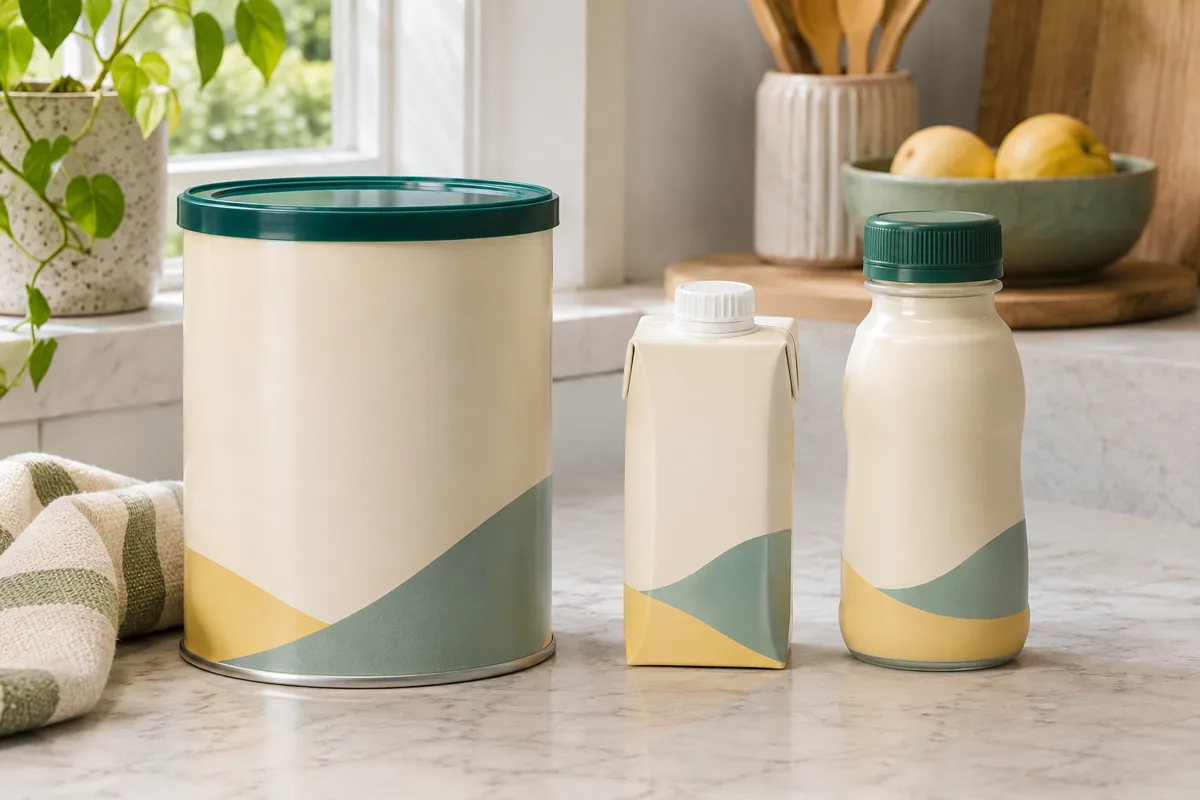
Powder, concentrate or ready-to-feed: identify the format first
These are different product formats, not interchangeable package names. Identify the exact format on the container before comparing quantity, price, preparation needs or travel convenience.
Infant formula and toddler drinks: read the category, not the aisle
A toddler drink is not an infant-formula substitute. Read the intended age and category on the exact container; similar branding and shelf placement do not make the products interchangeable.
Compare store-brand and national-brand formula without assuming equivalence
Compare complete product labels and professional guidance, not the store logo alone. A lower price and a similar-looking description do not establish that two formulas are the right interchangeable choices for an individual child.
Shopping for a specialty formula: prepare the right questions first
Use the child’s healthcare professional’s guidance to identify a specialty formula. Do not select a specialized formula by a symptom quiz, ingredient ranking or the lowest price per ounce.
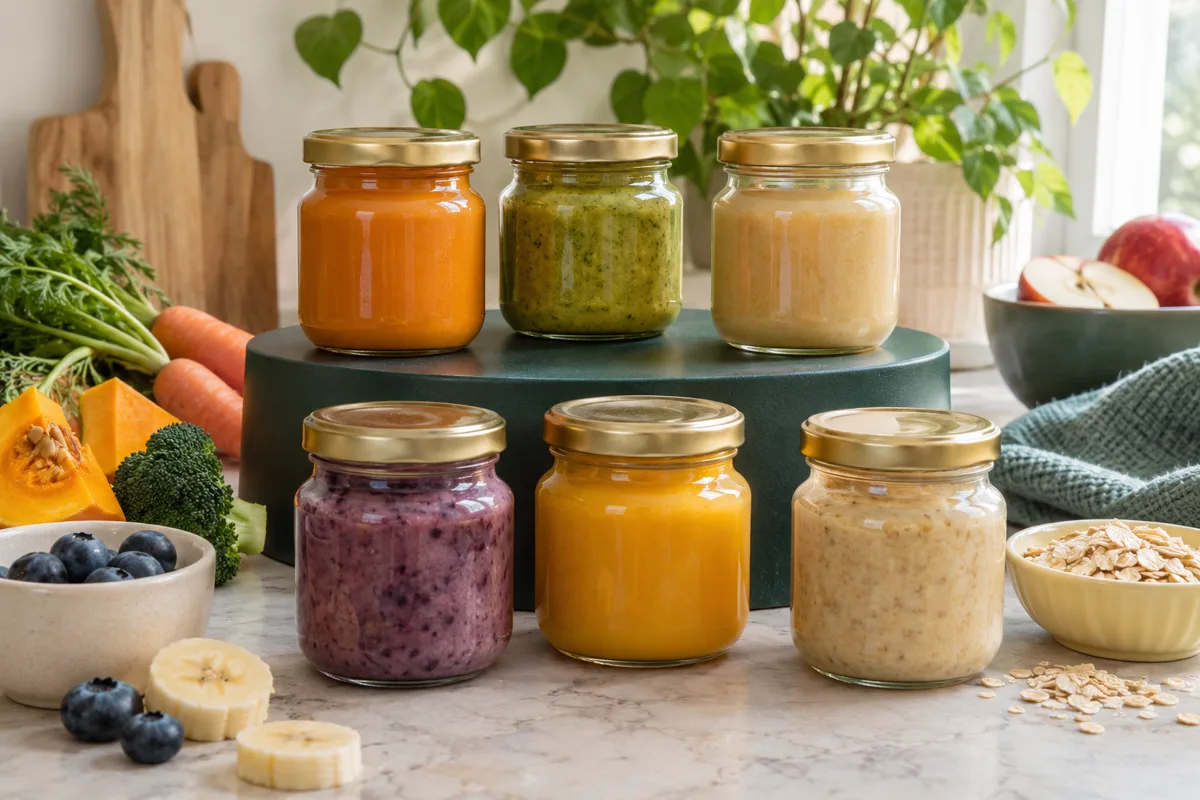
Baby-food stage labels are not an individual readiness assessment
Use a stage or age label as product information, not a diagnosis of what your child can safely manage. Texture, preparation and the child’s development matter beyond the marketing stage number.